Why Do We Get Déjà Vu? The Brain’s Glitch Explained
You walk into a coffee shop you’ve never visited before. You smell the roasted beans, hear the barista drop a spoon, and suddenly, you freeze. You have been here before. You know exactly what is going to happen next.
But you haven’t. And you don’t.
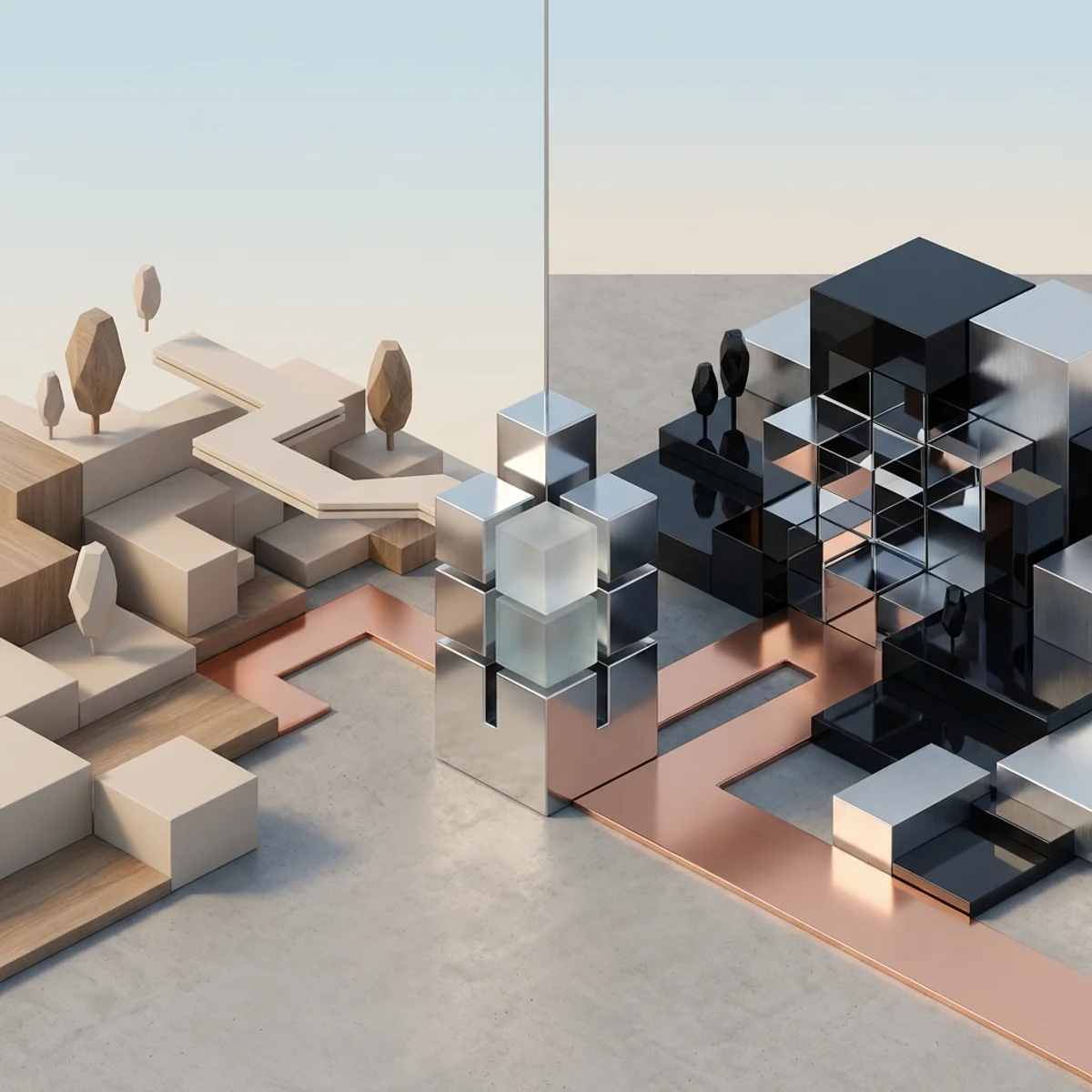
About 70% of people experience Déjà Vu (French for “already seen”). While it feels like a glitch in the Matrix or a window into a past life, the reality is a little more mechanical. It’s your brain filing the present under “past” by mistake.
The Split Perception Theory
One leading theory suggests that your two hemispheres (or even your two eyes) process information at slightly different speeds, causing a ‘double echo’ of the same moment.
Imagine a message being delivered to your brain’s command center. Usually, the visual input from your left eye and right eye arrives simultaneously. But what if one signal is delayed by a fraction of a millisecond?
The brain receives the first signal (Right Eye) and processes it. A split second later, the second signal (Left Eye) arrives. The brain, having just processed this exact information, flags the second signal as “old news,” aka a memory. You feel like you’re re-living the moment because, neurologically, you are. You’re perceiving it twice in rapid succession.
The Memory Circuit Mismatch
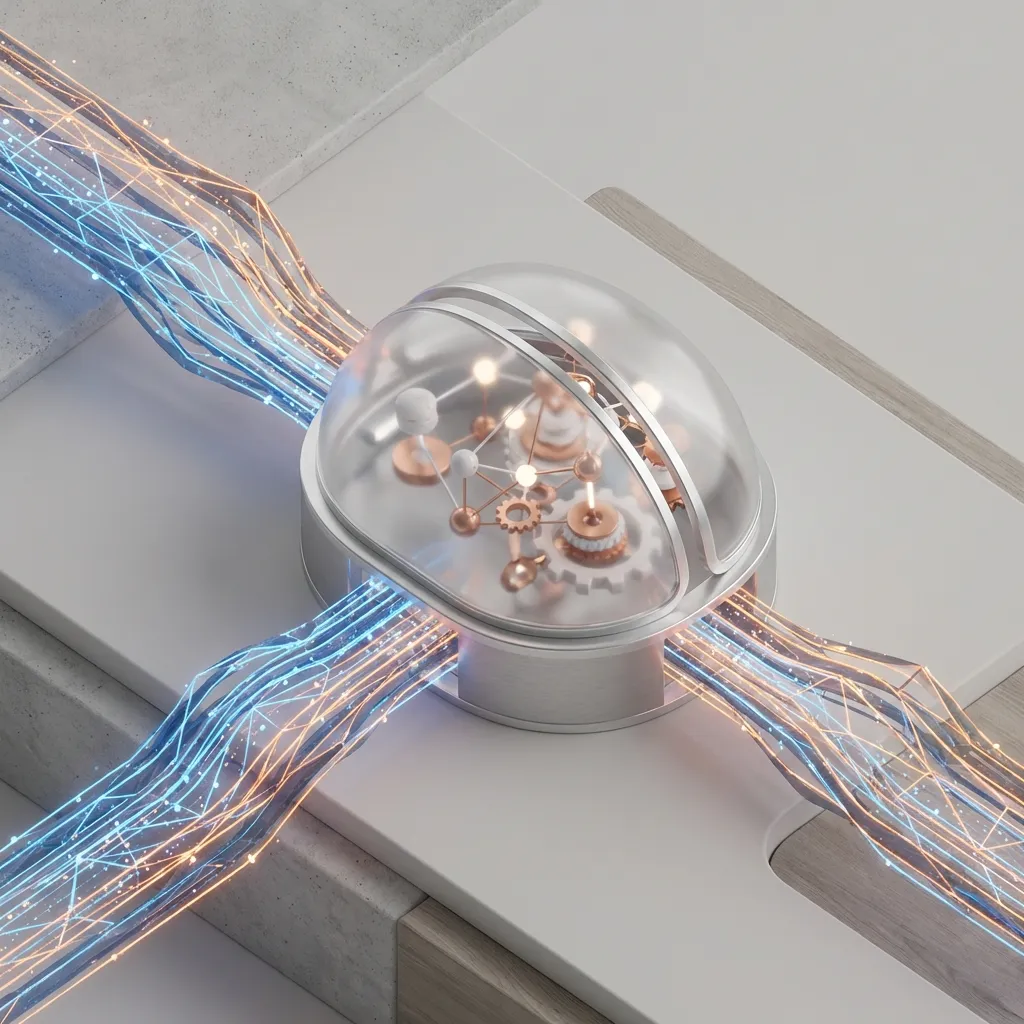
Déjà Vu may be caused by a ‘short circuit’ between the hippocampus (memory storage) and the rhinal cortex (familiarity detection), triggering a feeling of recognition without the memory to back it up.
Your brain has two distinct systems for memory: one that recalls specific details (recollection) and one that signals if something feels known (familiarity). Usually, they work in sync.
In Déjà Vu, the “familiarity” switch gets flipped on by accident, likely due to a minor seizure-like electrical discharge in the temporal lobe. Your brain shouts “I KNOW THIS!” but your hippocampus is empty. The result is a deeply confusing sensation: intense familiarity with zero context.
The Hologram Theory
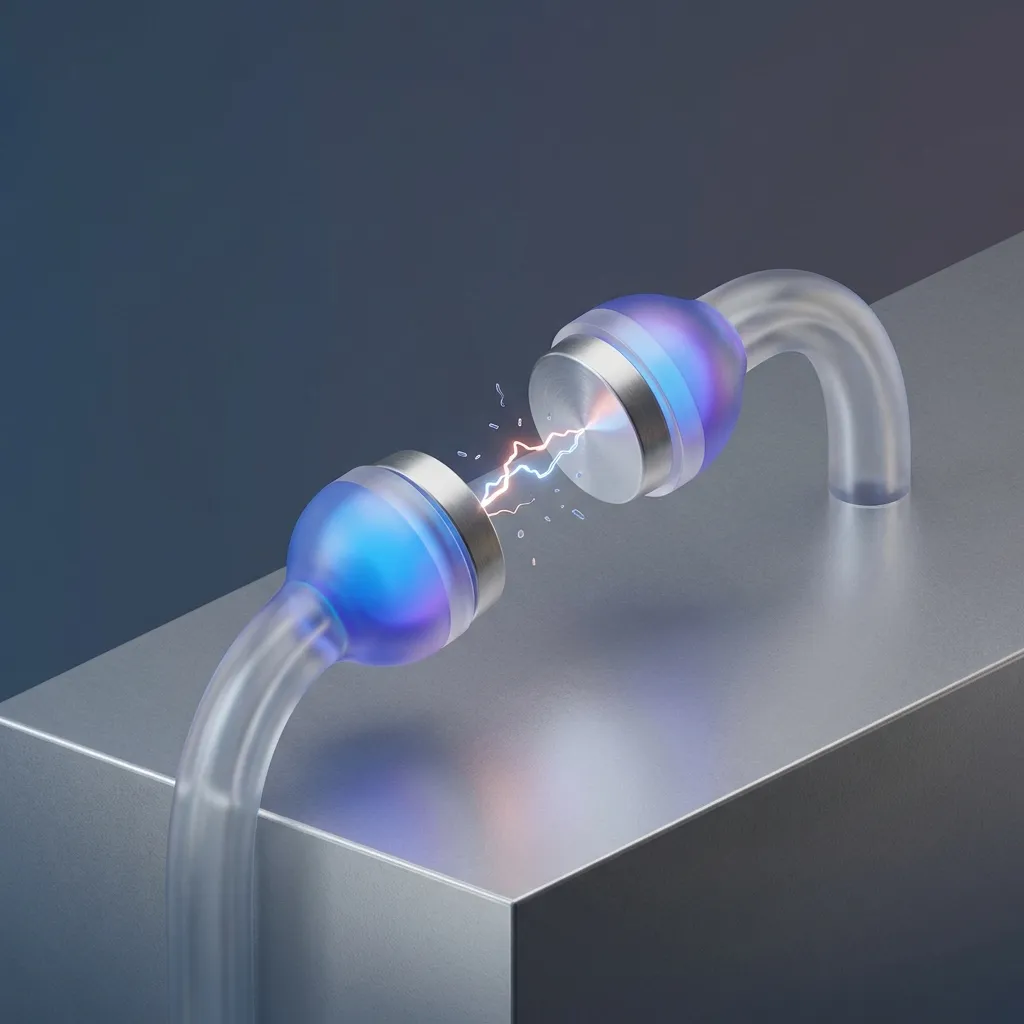
Our memories are stored like holograms, where a single fragment can reconstruct the whole; if one small detail in a new setting matches an old memory, your brain might hallucinate the entire context.
You might walk into a hotel lobby that has the exact same carpet pattern as your grandmother’s house. Your brain identifies the carpet (the fragment) and tries to reconstruct the associated memory (Grandma’s house).
However, the rest of the room doesn’t match. Your brain gets stuck in a loop: the pattern says “familiar territory,” but the logic says “new location.” The brain solves this conflict by generating the feeling of Déjà Vu, a vague sense that the entire scene is from the past, rather than just the carpet.