
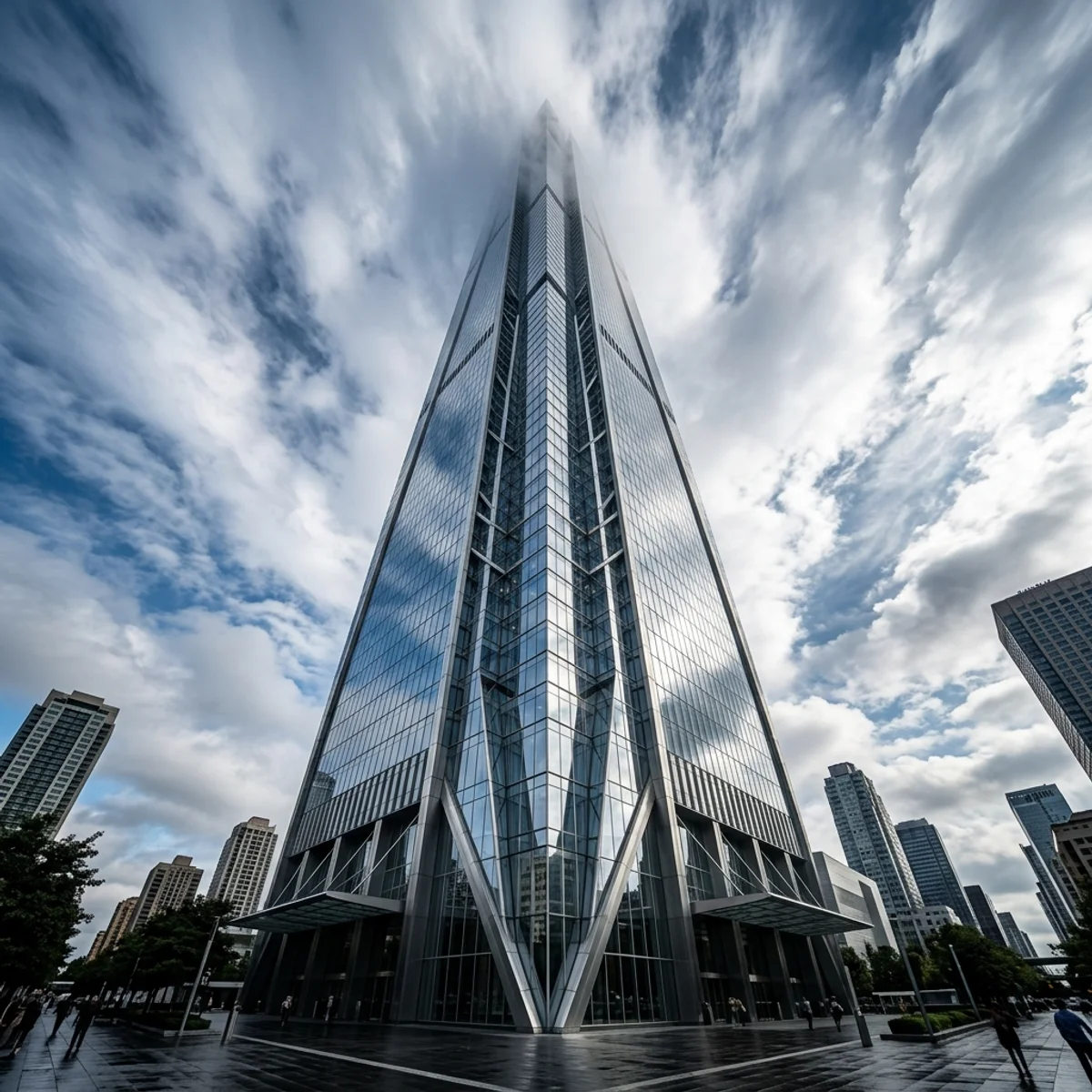
The Missing 13th Floor: Why Modern Skyscrapers Are Still Terrified of a Single Number
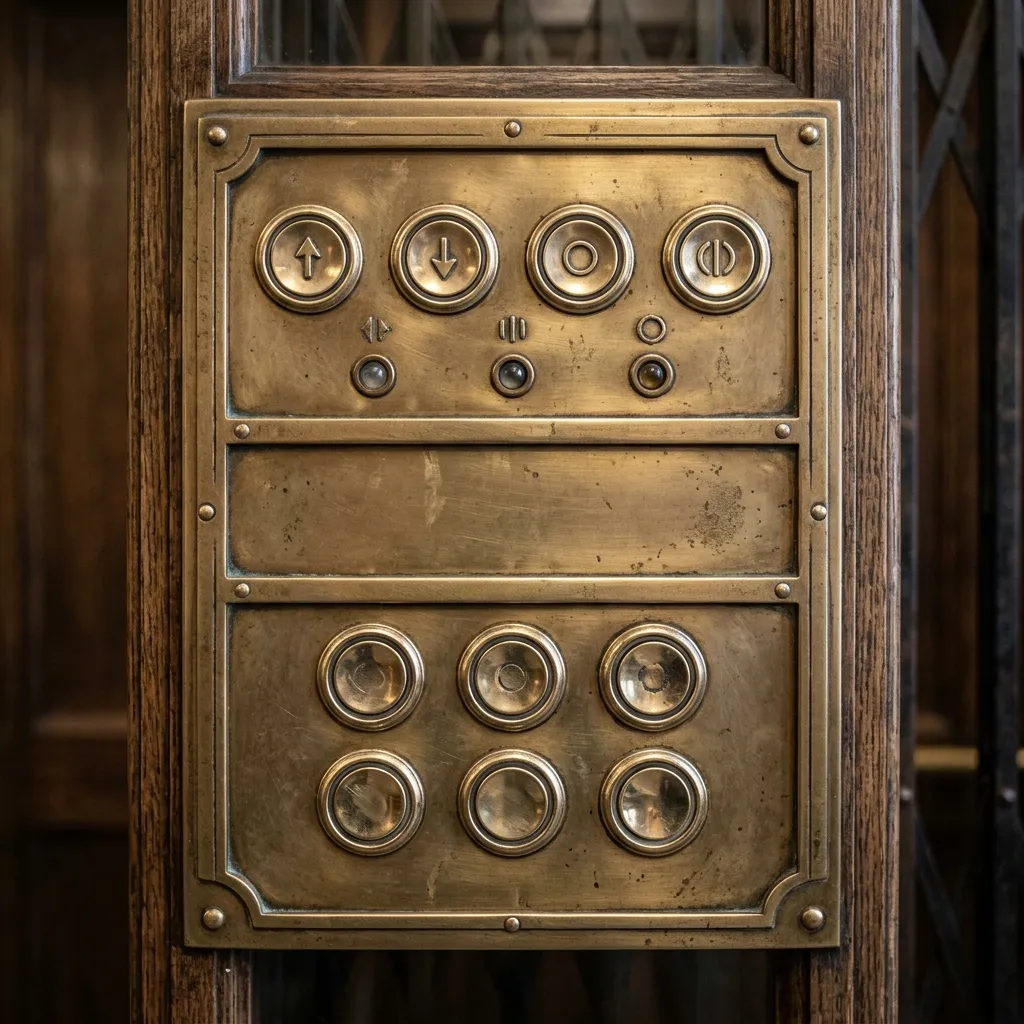
Step into the polished steel cabin of a state-of-the-art skyscraper in New York or Chicago, examine the button panel, and you will notice an architectural anomaly hiding in plain sight. Between the buttons for the twelfth and fourteenth floors sits an intentional, physical void. Even in an era defined by precision engineering, advanced structural mechanics, and data-driven urban planning, the world’s most sophisticated high-rise buildings remain thoroughly intimidated by a single prime number.
Why do buildings skip the 13th floor? Triskaidekaphobia (the fear of the number 13) drives developers to rebrand the 13th floor as ‘14’, ‘12A’, or ‘M’. Real estate tracking shows units labeled ‘13’ sell for measurably less or sit vacant longer, making the omission a calculated economic decision by institutional developers rather than pure superstition.
The Otis Elevator Discovery and the Rebranding Strategy
When the Otis Elevator Company mechanized vertical transport in the early twentieth century, internal tracking revealed that passengers experienced acute anxiety when watching a floor indicator pass the thirteenth level. Consequently, building owners established a widespread convention of relabeling the physical thirteenth floor as ‘14’ or designating it for mechanical infrastructure.
In the early days of skyscraper construction, vertical living was a novel and slightly unsettling concept for the general public. As the Otis Elevator Company began installing automated indicator dials in commercial properties across American cities, building managers noticed a consistent behavioral pattern. Passengers staring at the mechanical dial would frequently tense up or express discomfort as the needle crossed the number thirteen. Triskaidekaphobia, an acute cultural fear of the number thirteen rooted in ancient Western mythology, was actively interfering with the commercial viability of high-rise developments.
To circumvent this psychological friction, architects and developers initiated an industry-wide rebranding effort. Rather than expecting human nature to suddenly become perfectly rational, they simply altered the interface. The physical space directly above the twelfth story remained structurally intact, but its public identity was scrubbed from elevator control panels. Some developers chose to skip straight to fourteen. Others labeled the level as “12A” or utilized the letter “M”, which conveniently serves as both the thirteenth letter of the alphabet and an abbreviation for “Mechanical”. By relegating the unlucky tier to heating ducts, elevator motors, and maintenance storage, landlords ensured that paying residential and commercial tenants never had to press a button associated with bad luck.
The Real Estate Superstition Discount
Institutional property developers omit the thirteenth floor because market metrics confirm that designated thirteenth-floor apartments suffer a quantifiable drop in resale value and rental velocity. Omitting the number functions as an objective financial risk-mitigation strategy to protect portfolio yields.
It is tempting to view the missing floor as a charming architectural quirk, but modern real estate economics treats it as a matter of hard financial metrics. Large-scale residential units and commercial towers are funded by multi-billion-dollar investment trusts that rely on predictable rental yields and rapid market velocity. If even a small fraction of potential buyers or corporate lessees refuse to tour a space due to its floor number, the overall profitability of the development is compromised.
Data tracking across major metropolitan markets like New York City confirms that this caution is entirely justified. Historical transaction analyses reveal that residential properties situated on an explicitly labeled thirteenth floor frequently experience a measurable superstition discount. These properties can sit vacant longer during leasing cycles and sometimes command lower final sale prices compared to identical units located on the twelfth or fourteenth floors.
Money talks.
When a single vacant floor can cost a management company tens of thousands of dollars in lost monthly revenue, catering to public superstition ceases to be irrational. It becomes a fiduciary responsibility. Developers scrub the number from blueprints to preserve asset liquidity and appeal to the broadest possible demographic.
The Code Enforcement Pushback: Firefighters vs. Developers
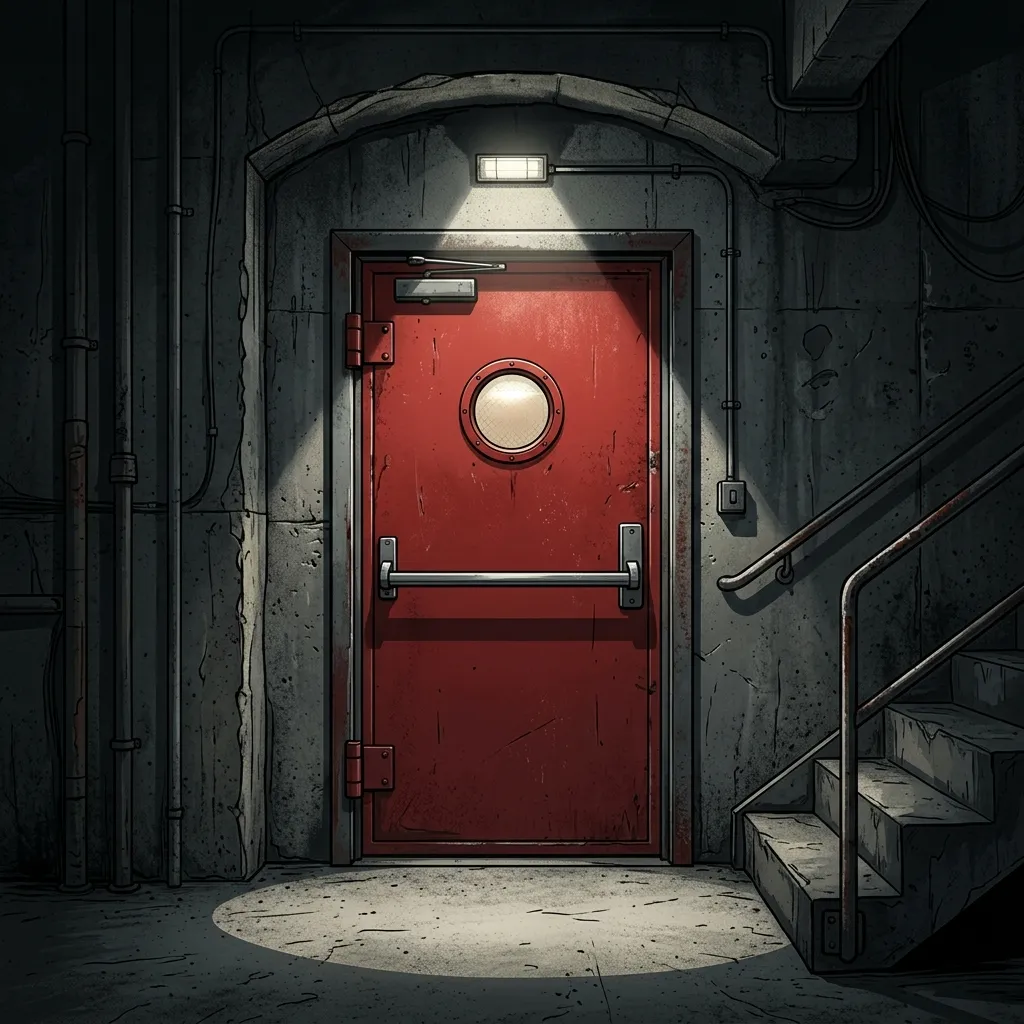
Modern municipal building codes and emergency responders actively push back against custom floor numbering to prevent potentially fatal navigation delays during structural fires. Consequently, urban planning authorities increasingly mandate sequential numbering on internal stairwell doors regardless of public superstition.
While property developers prioritize marketability, emergency responders prioritize operational clarity. Over the past two decades, a quiet battle has emerged between real estate marketing teams and municipal code enforcement agencies. During a high-rise structural fire or medical emergency, firefighters navigating smoke-filled stairwells rely on clear, logical spatial progression. A skipped floor number introduces sudden cognitive friction that can delay response times when every second is critical.
If a dispatcher reports an incident on the fourteenth floor, response teams need to know exactly how many flights of stairs to ascend. Discovering that the fourteenth level is physically only the thirteenth story above ground creates dangerous confusion for external ladder units and internal search teams.
Safety regulations are finally catching up.
Municipalities across North America and Europe are systematically revising their urban planning policies to mandate sequential numbering. Even if the main lobby elevator panel features a customized layout to appease prospective buyers, building codes increasingly dictate that the internal stairwells must display accurate, consecutive numerical markers. The tension between commercial presentation and physical reality remains a defining feature of contemporary high-rise management.
Tetraphobia: How Global Architecture Handles Unlucky Numbers
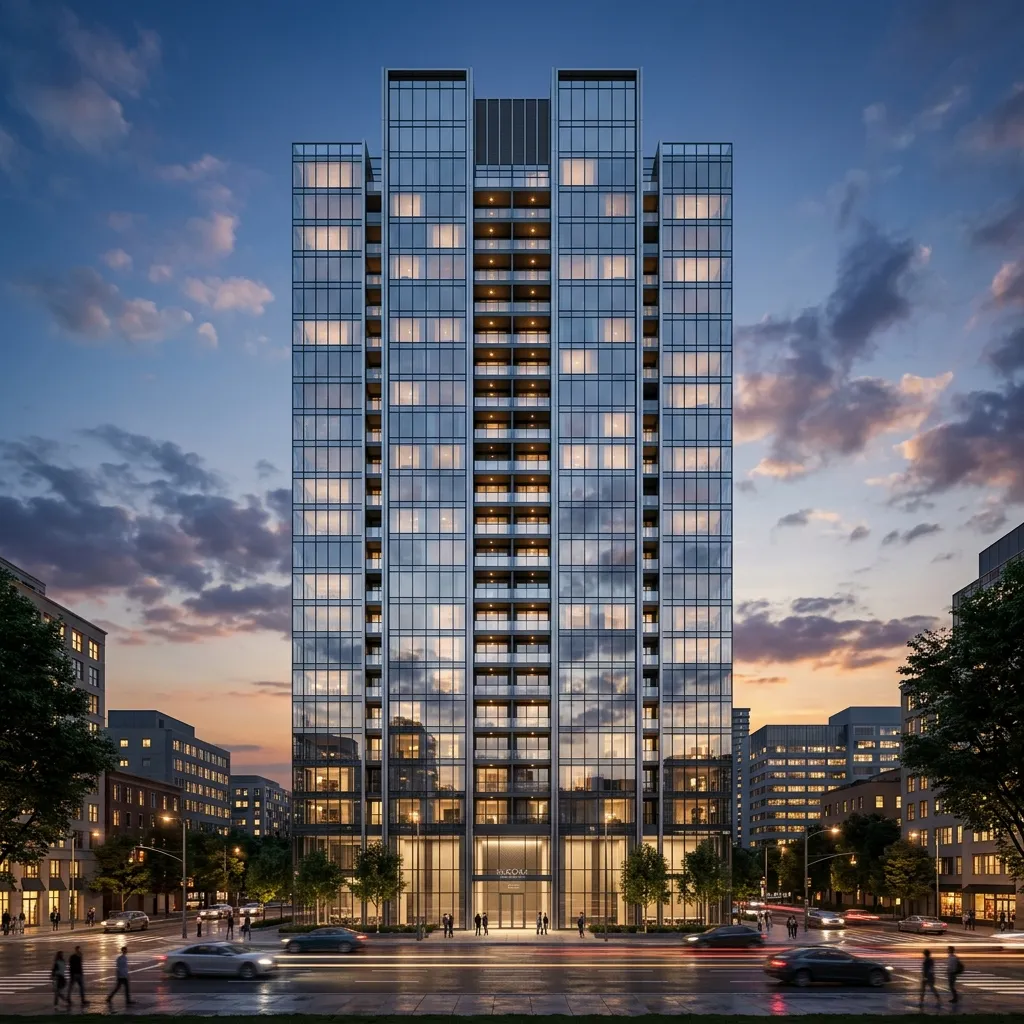
In East Asian architectural markets, developers implement an identical strategy to combat tetraphobia by systematically omitting the number four from residential high-rises. Because the spoken word for four sounds nearly identical to the word for death in several languages, towers frequently skip any floor containing the digit.
The phenomenon of altering physical architecture to bypass linguistic or cultural anxiety is not limited to Western high-rises. In many East Asian urban centers, including Hong Kong, Tokyo, and Seoul, developers face an even more pervasive challenge known as tetraphobia. In Mandarin, Cantonese, Japanese, and Korean, the spoken word for the number four sounds remarkably similar to the word for death. Consequently, the digit carries a heavy psychological weight that directly impacts real estate valuations.
To ensure consumer comfort, international developers apply the exact same logic used in Manhattan skyscrapers, but on a much larger scale. Rather than removing a single level, buildings frequently omit the fourth, fourteenth, twenty-fourth, and thirty-fourth floors entirely. In extreme cases, high-rise complexes will skip the entire block of floors from forty to forty-nine, resulting in structural numbering that leaps directly from thirty-nine to fifty.
This global parallel proves that urban mechanics is never just about concrete, steel, and load-bearing calculations. It is a physical manifestation of human psychology. Whether a tower is built in London or Singapore, architects must construct frameworks that accommodate our deepest cultural rituals.

Frequently Asked Questions
Does the thirteenth floor physically exist inside these buildings? Yes. From a structural engineering standpoint, it is impossible to leave an empty physical gap in a continuous vertical column. The space directly above the twelfth story is fully constructed and load-bearing; it is simply assigned a different public label, such as floor fourteen or mechanical level “M”.
Is it legal for landlords to change floor numbers on official documents? Historically, local zoning boards granted developers broad discretion in naming internal building levels for marketing purposes. However, modern fire safety mandates and municipal regulations increasingly require official structural blueprints and emergency access stairwells to maintain strict sequential numbering.
Do insurance companies charge different rates for the thirteenth floor? No. Property and casualty insurance premiums are calculated using objective risk data, including structural integrity, fire suppression systems, and local crime rates. Underwriters do not factor cultural superstitions into policy pricing models.
How common is the practice of skipping floors in new construction today? While still highly prevalent in luxury residential developments to protect unit marketability, the practice is gradually declining in modern commercial architecture. Stricter safety codes and an increasingly international tenant base have encouraged many new mega-towers to adopt standard consecutive numbering.
Related Articles
- The Dust Truth: What the Grey Fluff in Your House Actually Is
- Why Blue Streetlights Are Popping Up in Cities (And Reducing Crime)
- The QWERTY Sabotage: Why Your Keyboard Is Designed to Slow You Down