Dead Internet Theory: Are You reading This, or Did a Bot Write It?
It starts with a feeling. You scroll through comments on a viral video, and they all sound oddly similar. You read a product review that feels too generic to be real. You see a Twitter thread where two accounts are arguing, but they are both using the exact same sentence structure.
Welcome to the Dead Internet.
The “Dead Internet Theory” was once a fringe conspiracy on 4chan. It claimed that since 2016, the “real” internet died and was replaced by bots initiated by corporations to manufacture engagement.
Today, it is not a conspiracy. It is a statistical probability. In 2024, studies revealed that nearly 50% of all internet traffic is non-human. We are rapidly approaching the tipping point where the majority of the web is just machines talking to machines, with humans as the confused bystanders.
The Habsburg AI (The Inbreeding Problem)
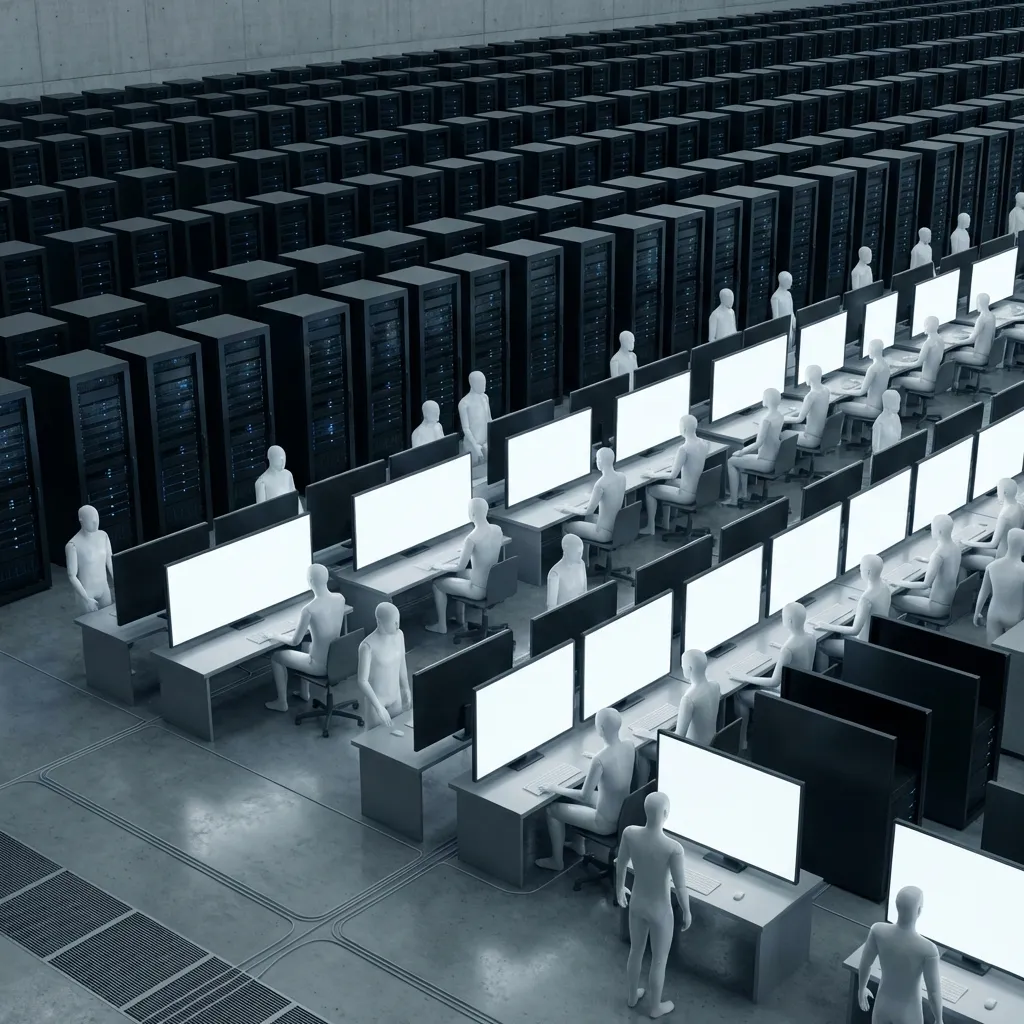
As AI models flood the web with synthetic content, future AIs will be trained on that synthetic data, leading to “Model Collapse” or “Habsburg AI,” digital inbreeding that progressively lowers intelligence.
The most terrifying aspect of the Dead Internet isn’t the bots; it’s what the bots are doing to the concept of truth.
Generative AI models like GPT-4 need massive amounts of human data to learn. They scrape the internet for books, articles, and Reddit threads written by people. But now, the internet is flooding with AI-generated text.
When a new AI model scrapes the web in 2026, it won’t be reading human thoughts. It will be reading the output of a 2024 AI. It is a snake eating its own tail. Researchers call this “Habsburg AI,” named after the Spanish royal family that collapsed due to genetic inbreeding.
When AI trains on AI, it amplifies biases and loses nuance. The data becomes flat, repetitive, and eventually nonsensical. We aren’t just filling the internet with junk; we are poisoning the well for future intelligence.
The 50% Threshold
In 2024, reports confirmed that nearly half of all web traffic is bots, meaning for the first time in history, human activity is fighting to remain the majority.
For decades, the internet was a place of human connection. Now, it is a battlefield of automation. “Bad bots,” software designed to scrape data, scalp tickets, or post spam, now account for nearly a third of all traffic.
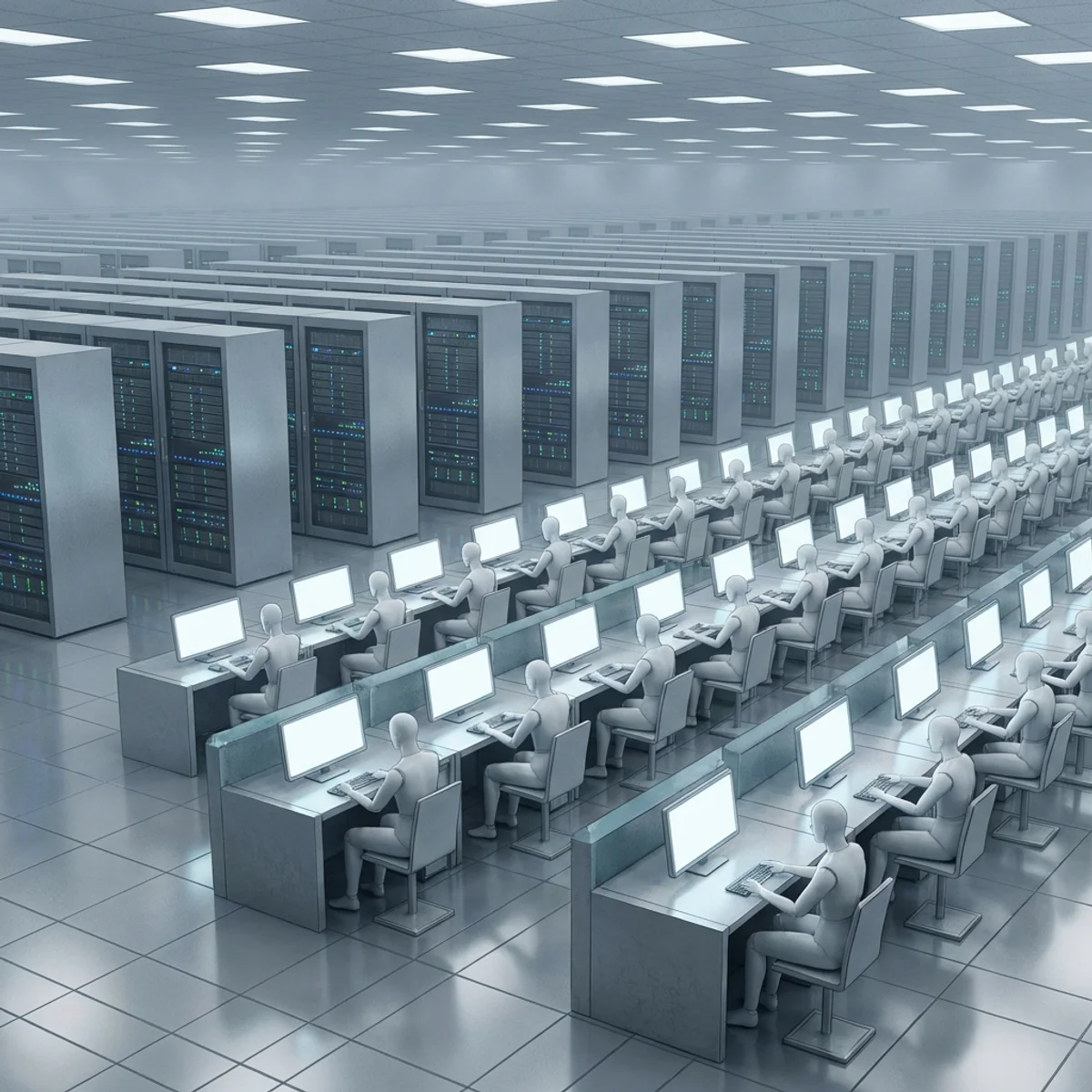
This creates a “Potemkin Village” effect. Social media metrics are inflated. Viral trends are manufactured. The “public opinion” you see online might just be a server farm in a basement simulating outrage.
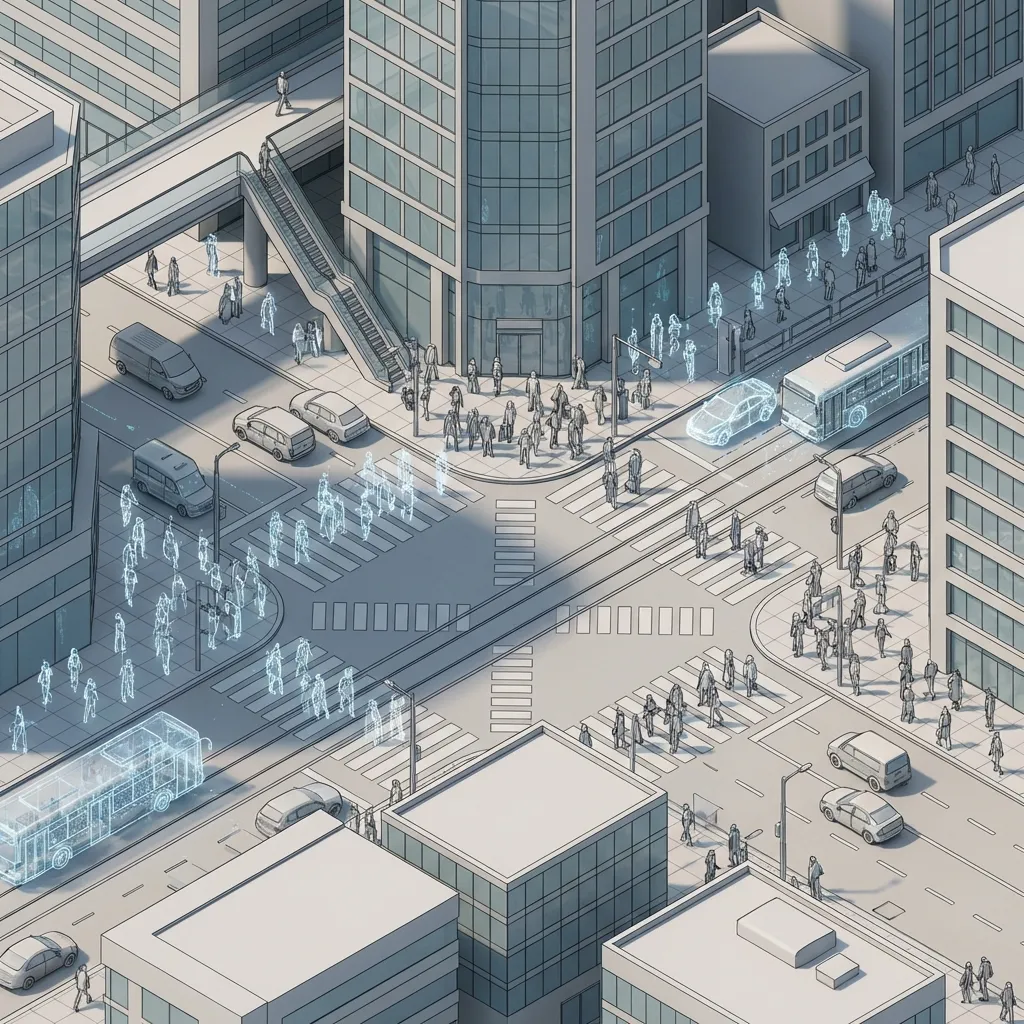
If you have ever felt like the internet is getting lonelier despite being more crowded, this is why. You are walking through a crowded party, but half the guests are holograms.
The Verification Crisis
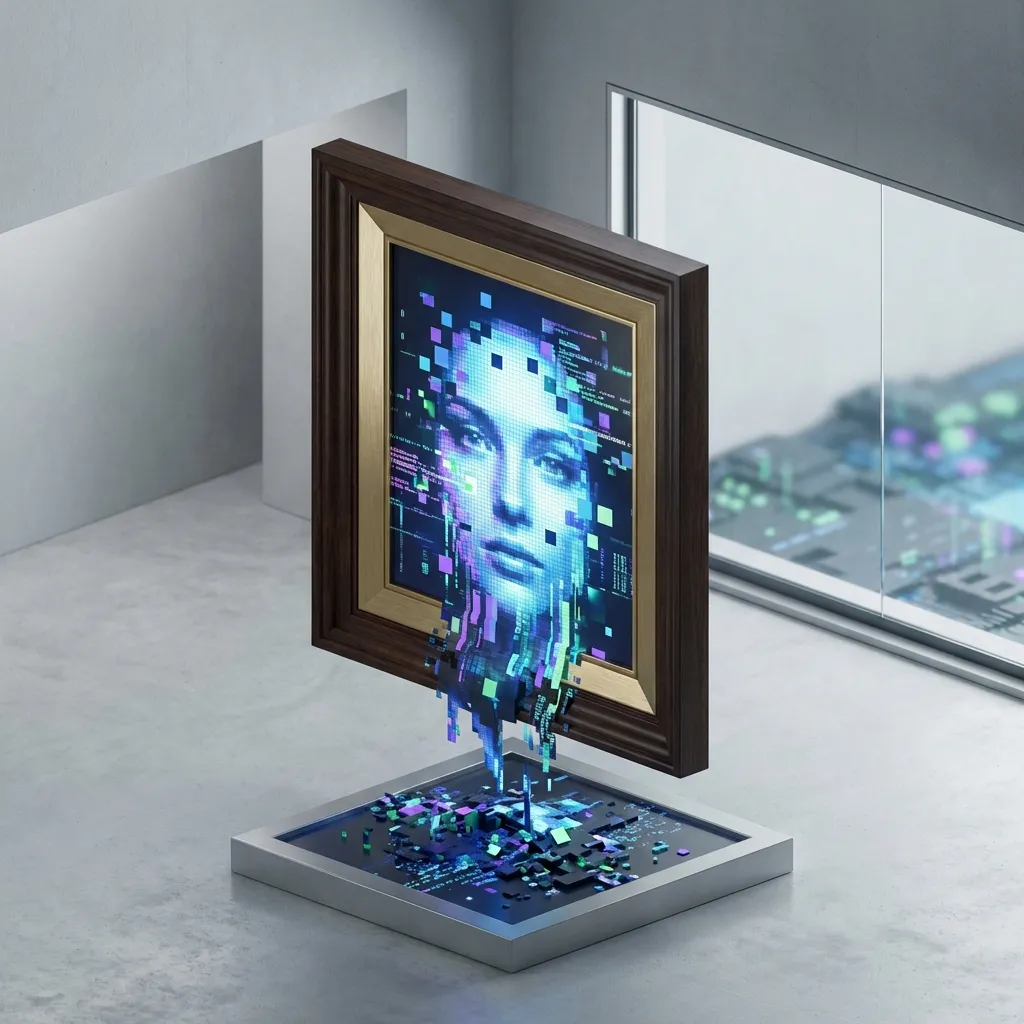
As the Dead Internet expands, the only luxury asset left will be “Proof of Humanity,” turning digital verification into a strict class system.
How do we fix this? The solution might be uncomfortable. We are moving toward a tiered internet.
In the near future, interacting with “real” humans might become a paid premium service. “Proof of Humanity” protocols, such as biometric scans, government IDs linked to accounts, and expensive subscription tiers, will become the gatekeepers.
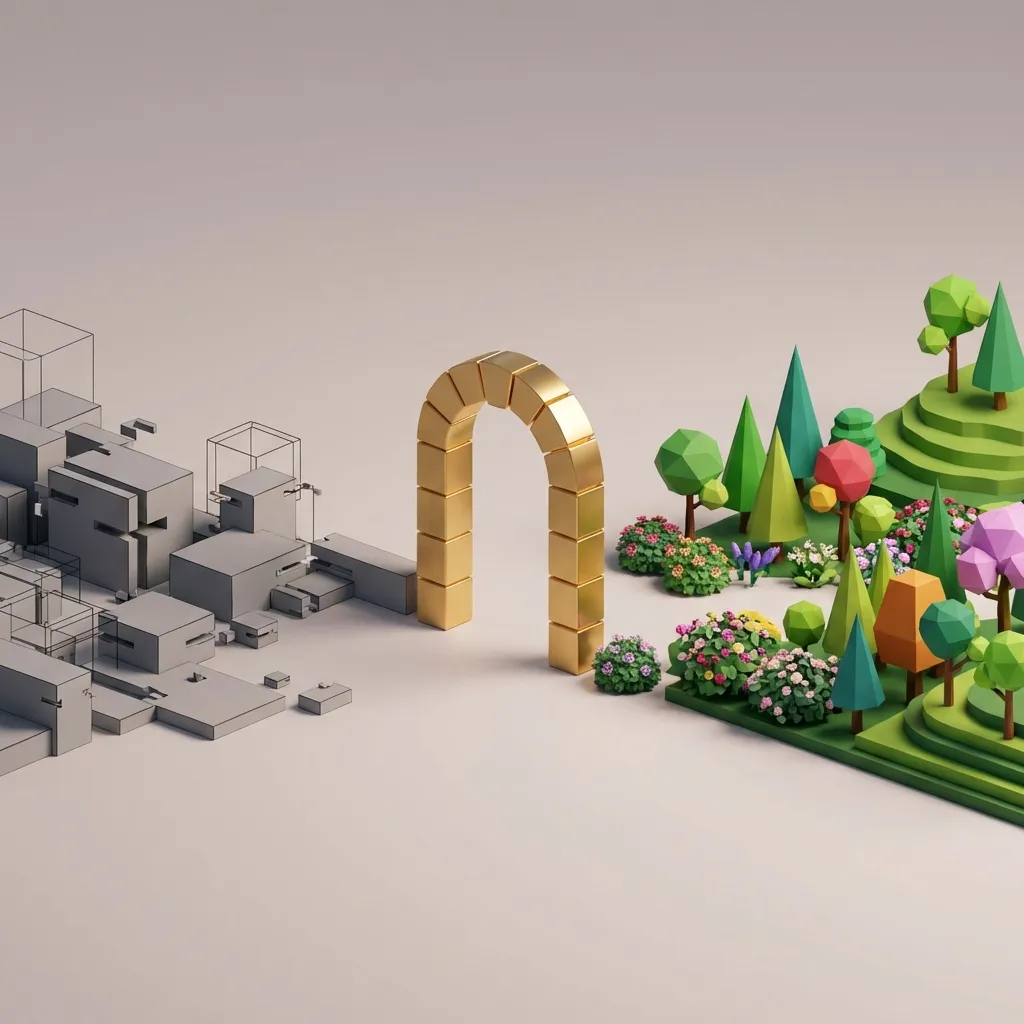
The “open web” will be abandoned to the bots, a wasteland of AI shouting at AI. The “human web” will be a walled garden, accessible only to those who can prove they have a pulse. The anonymity that built the early internet is dying, killed not by censorship, but by noise.
The Echo Chamber Loop
Ultimately, the Dead Internet creates a feedback loop where we stop creating new culture and simply recycle old data forever.
The greatest danger isn’t that bots will replace us; it’s that we will become like them.
If the algorithm rewards generic, AI-friendly content, humans will start creating generic, AI-friendly content to compete. We will flatten our language, simplify our art, and curb our creativity to please the machine god.
The Dead Internet Theory is a warning: If we stop valuing human messy, unpredictable, chaotic authenticity, we won’t need bots to kill the internet. We will have done it ourselves.