Why Time Seems to Speed Up as We Age
Remember summer vacations when you were ten years old? They felt endless, stretching out for what seemed like a lifetime of swimming, playing, and boredom. Fast forward to today, and entire seasons seem to vanish in the blink of an eye. You’re not crazy, and you’re not alone. This phenomenon is a well-documented psychological experience that affects nearly all of us. But why does our internal clock disconnect so drastically from the ticking of the clock on the wall?
The Proportional Theory: Why a Year Isn’t Always a Year
To a five-year-old, one year represents 20% of their entire life experience, making it feel massive. To a 50-year-old, that same year is just 2% of their life, causing it to feel significantly shorter by comparison.
This mathematical perspective, known as “Janet’s Law” (after French philosopher Paul Janet), suggests that we perceive time logarithmically rather than linearly. When you are very young, every new day is a significant fraction of your existence. As you age, each day becomes a tinier drop in an increasingly large bucket of memories.
This theory explains the “background” sensation of time speeding up, but it doesn’t account for the daily feeling that weeks are rushing by. For that, we need to look at how our brains actually record experience.
The Holiday Paradox: How Novelty Warps Time
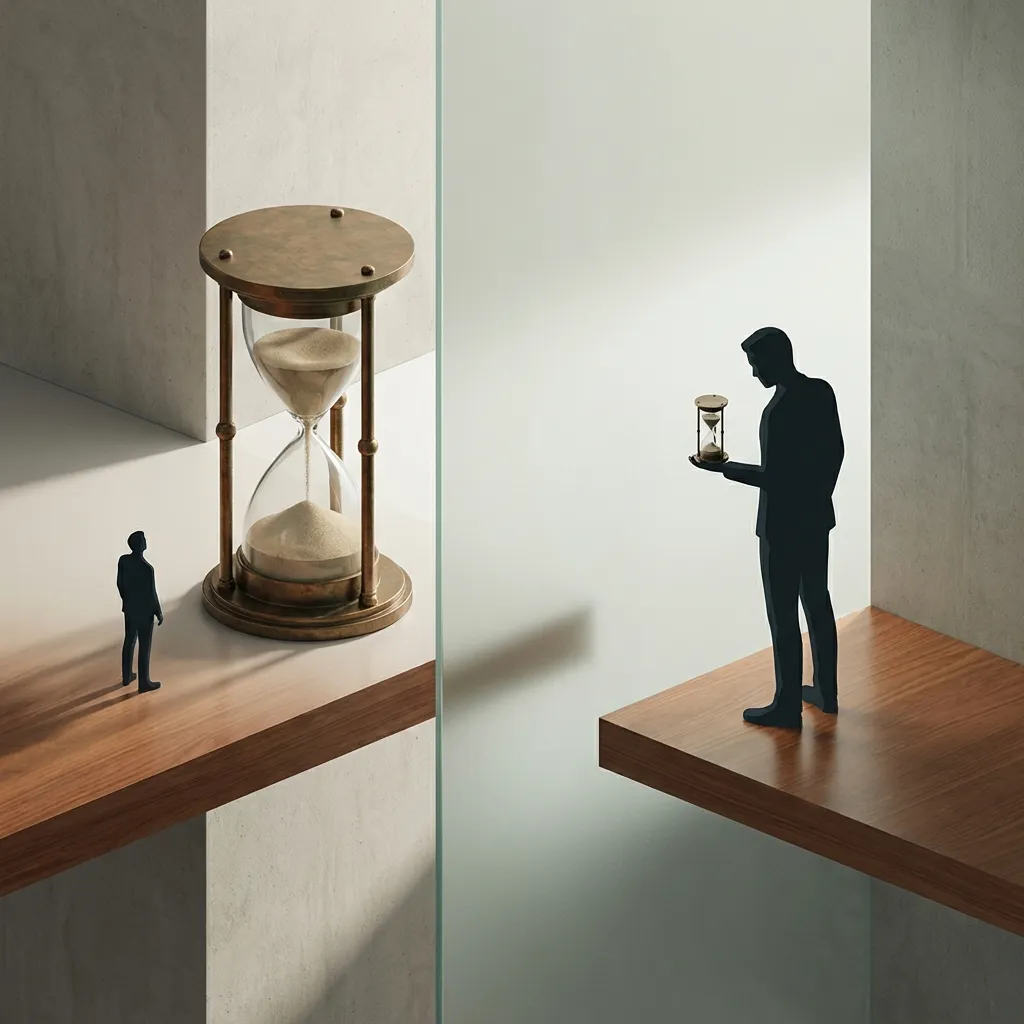
Our brains encode new experiences with high emotional weight and detail, which makes time feel longer in retrospect. Routine, repetitive days are compressed by the brain into single memories, making time feel like it vanished.
This is often called the “Holiday Paradox.” When you go on a trip to a new place for a week, the days feel long and full. You’re navigating new streets, trying new foods, and seeing new sights. Your brain is in hyper-drive, laying down thick, detailed memory tracks. When you look back on that week, it feels substantial.
Contrast this with a standard work week. You wake up, commute, sit at the same desk, eat the same lunch, commute back, and watch Netflix. Your brain, being an efficiency machine, says, “I’ve seen this before, no need to record the details.” It effectively deletes the duplicate frames of your life. The result? You wake up on Saturday wondering where the week went. The irony is that while a routine life speeds up perception of passing time, a novel life slows it down.
Neural Processing Speed: The Biological Clock
As neural networks age, the physical speed at which our brains process mental images slows down, causing us to perceive the external world as moving faster relative to our internal processing.
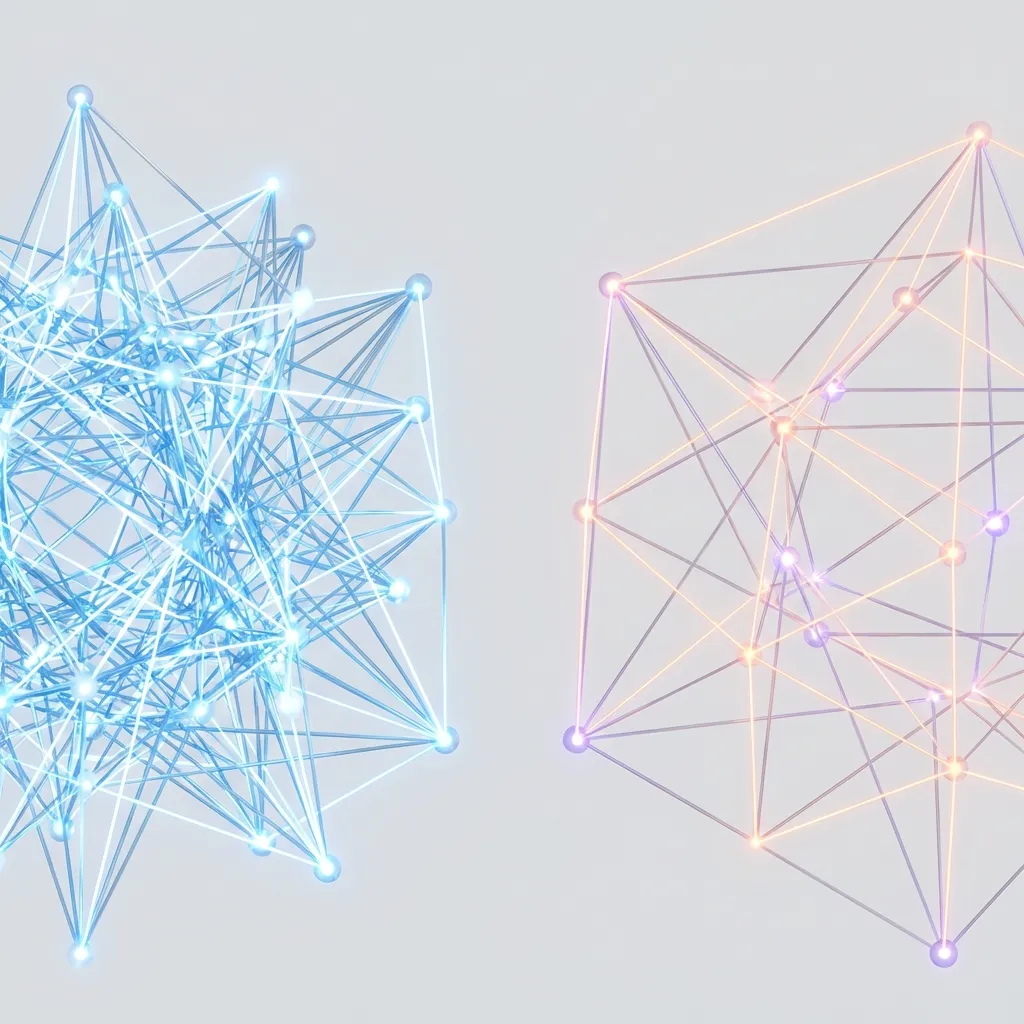
This fascinating theory comes from Adrian Bejan at Duke University. He postulates that our “mind’s eye” is basically a camera taking snapshots of the world. Young brains capture significantly more “frames per second” because their neural pathways are short, simple, and highly efficient.
As we age, our neural networks grow larger and more complex, and electrical resistance in our pathways increases. The rate at which we process mental images slows down. If a young brain processes 40 mental images a second and an older brain processes 30, the older brain will perceive the same amount of physical time as having passed more quickly. It’s like watching a movie at 1.5x speed. The events are the same, but the duration feels compressed.
Dopamine and the Internal Metronome
Dopamine levels, which naturally decline with age, play a crucial role in our internal clock; lower dopamine levels are linked to an accelerated estimation of time passing.
Neuroscientists have found that dopamine is critical for interval timing, our ability to estimate how much time has passed without looking at a clock. High dopamine states (like excitement or novelty) tend to make us overestimate time durations (time drags or expands). Lower dopamine states make us underestimate time (time flies).
Since dopamine production decreases by about 10% per decade during adulthood, our baseline chemical state shifts towards a faster perception of time. This biological alteration works in tandem with the psychological factors of routine and familiarity to accelerate our subjective timeline.
Can We Slow It Down?
By actively seeking “information gain” through new experiences, learning new skills, and breaking routines, we can trick our brains into recording more memory frames, effectively slowing down our perception of time.
We cannot stop the neural slowing or the mathematical proportions of aging, but we can hack “The Holiday Paradox.” The secret isn’t just “doing things” but doing new things that require cognitive effort.
- Learn a new path: Drive a different route to work. The brain has to engage spatial processing rather than autopilot.
- Novelty in the mundane: Try a completely new genre of book, brush your teeth with your non-dominant hand, or cook a recipe you’ve never tried.
- Active learning: Learning a language or an instrument places high demands on neuroplasticity, forcing the brain to lay down dense new tracks.
If you want your life to feel longer, you have to force your brain to pay attention to it. Comfort and routine are the enemies of a long subjective life.