
Why Coffee Tastes Bad on Airplanes (And Different in Denver)
We have all been there. You are on a flight, 35,000 feet in the air, and you order a coffee. It arrives hot and black, but when you take a sip, it tastes… wrong. It is thin, bitter, and oddly sour.
It isn’t just bad airplane beans. If you brewed the finest artisanal roast in an airplane galley, it would still taste disappointing.
The problem isn’t the coffee; it is the physics of the environment. Between the plummeting boiling point of water and the biology of how your tongue works in pressurized tubes, the odds are stacked against a good cup.

The Boiling Point Problem (Under-Extraction)
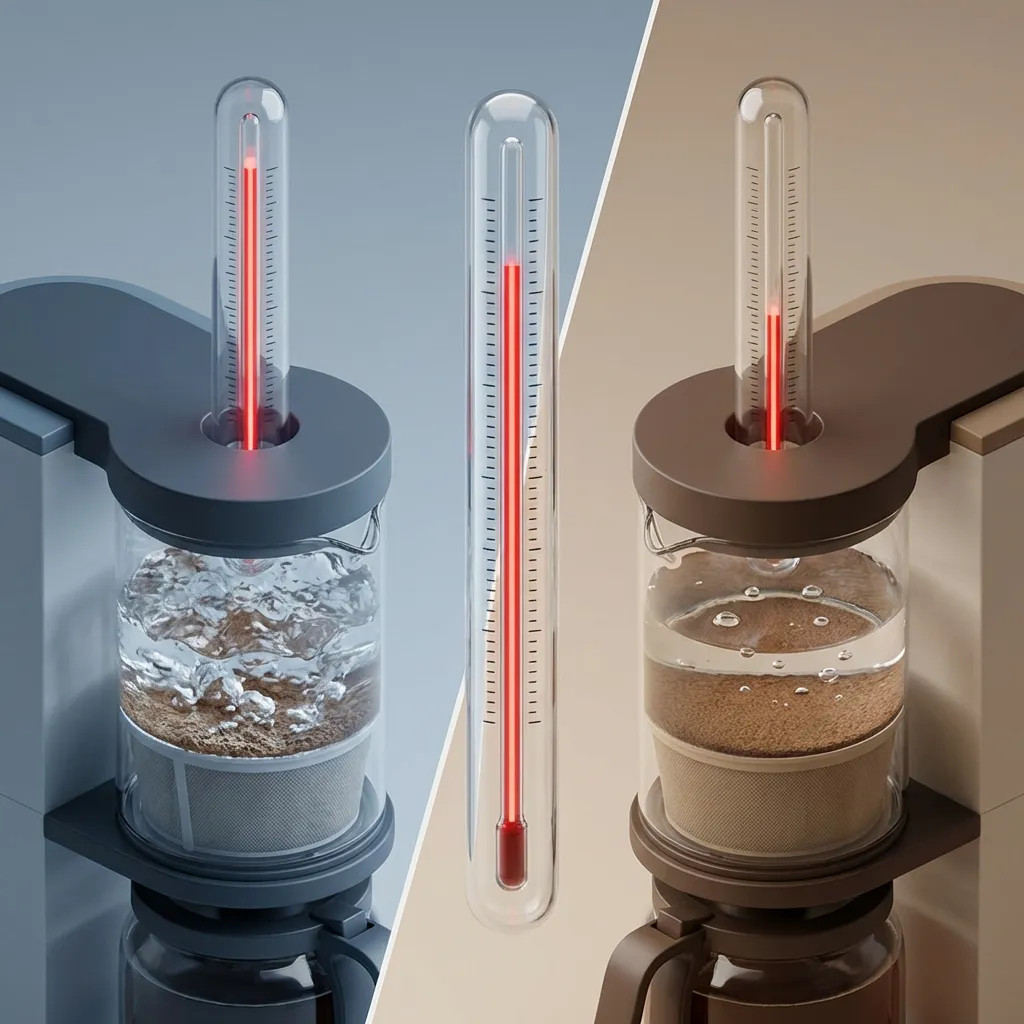
As altitude increases, atmospheric pressure decreases, causing water to boil at temperatures significantly lower than 212°F (100°C). Lower brewing temperatures fail to fully extract the complex lipids and oils from coffee beans.
At sea level, water boils at 212°F. This is the gold standard for tea and heavy extraction. But specifically for coffee, the ideal brewing zone is between 195°F and 205°F.
When you go up, the weight of the air pushing down on the water decreases. Water molecules can escape into vapor with less energy. In Denver (5,280 ft), water boils at roughly 202°F. That is still okay.
But in an airplane cabin pressurized to 8,000 feet, water boils at just 197°F (91°C). And typically, the water heaters on planes don’t even reach a rolling boil. They dispense water at roughly 185°F to 190°F.
At these temperatures, water acts differently. It is a weak solvent. It cannot dissolve the heavy, flavorful oils and sugars from the ground bean. Instead, it only manages to strip out the fast-dissolving acids (sourness). The result is “under-extraction,” a cup that is chemically distinct from what you drink on the ground.
The Airplane Cabin Effect (It’s Not Just the Beans)
Airplane cabins are pressurized to 8,000 feet, leading to poor extraction. Combined with the extremely low humidity (<12%), your nasal passages dry out, inhibiting the olfactory receptors responsible for 80% of flavor perception.
Extraction is only half the battle. The other half is you.
Human taste is largely smell. When you chew or sip, aromas travel up the back of your throat to your olfactory bulb. This is “retronasal olfaction.”
Airplane air is drier than the Sahara Desert. Humidity levels hover around 10-12%. This rapidly dehydrates the mucus membranes in your nose. Without that moisture, odor receptors struggle to detect volatile aromatic compounds. You literally cannot smell the coffee as well, so your brain registers it as bland.
Taste Bud Suppression (The 30% Drop)
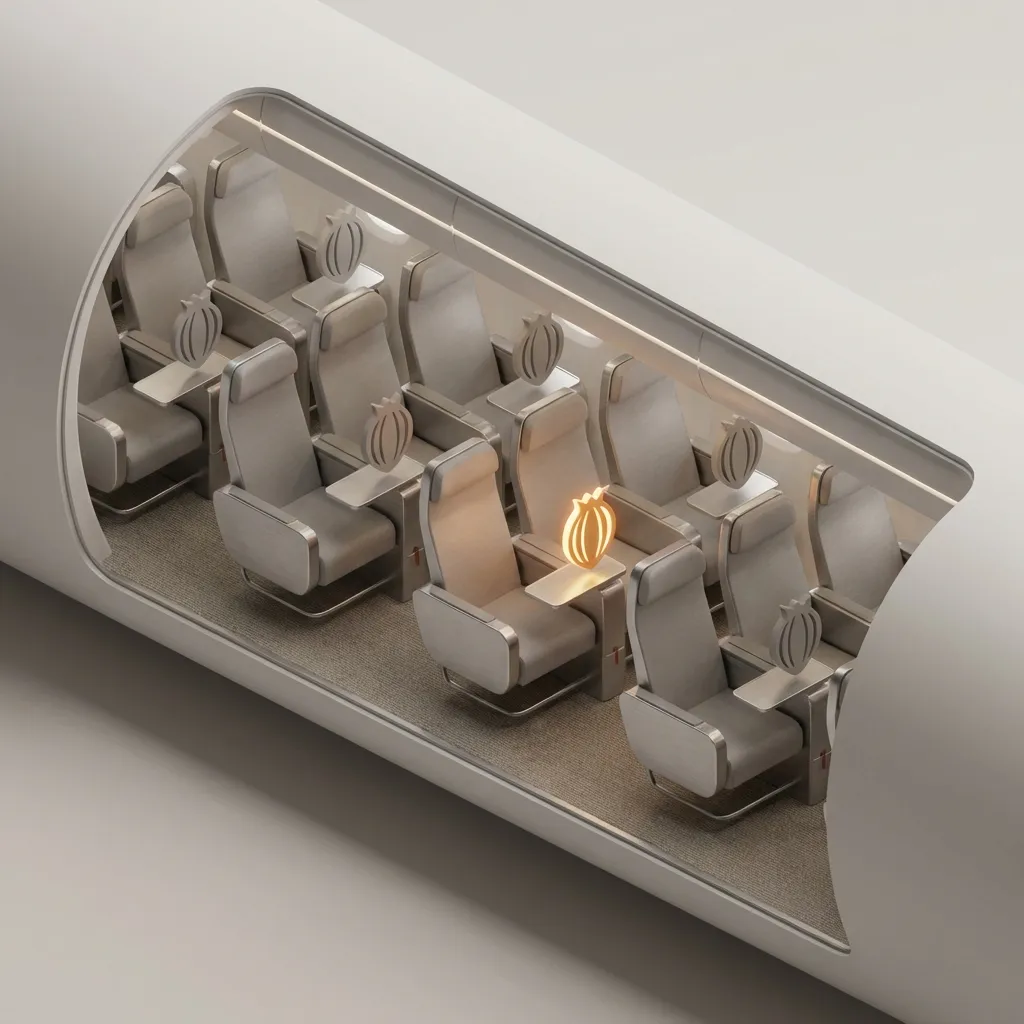
Low pressure and high background noise (85 decibels) physically suppress your tongue’s ability to detect sweet and salty flavors by up to 30%. Umami is the only flavor that remains distinct.
It gets worse. A 2010 study by Lufthansa (who realized their food tasted terrible in the air) found that the combination of low pressure and constant white noise (85 decibels of engine roar) creates a “sensory sweet spot” that suppresses sweetness and saltiness.
Your tongue goes numb to sugar. This makes the natural sweetness of roasted coffee disappear, leaving only the bitter and acidic notes exposed.
Interestingly, “umami” (savory) is the only taste that stays strong or even intensifies. This is why tomato juice, a savory, umami-rich drink, is surprisingly popular on flights. It is one of the few things that actually tastes like something.
How to Fix It (The High-Altitude Brew Guide)
To compensate for the lower boiling point, you must increase the extraction efficiency by using a finer grind size and increasing the coffee-to-water ratio. If you are in Denver or La Paz, use slightly more coffee grounds.
If you are hiking in the mountains or living in a high-altitude city, you can’t change the atmospheric pressure. But you can change your variables.
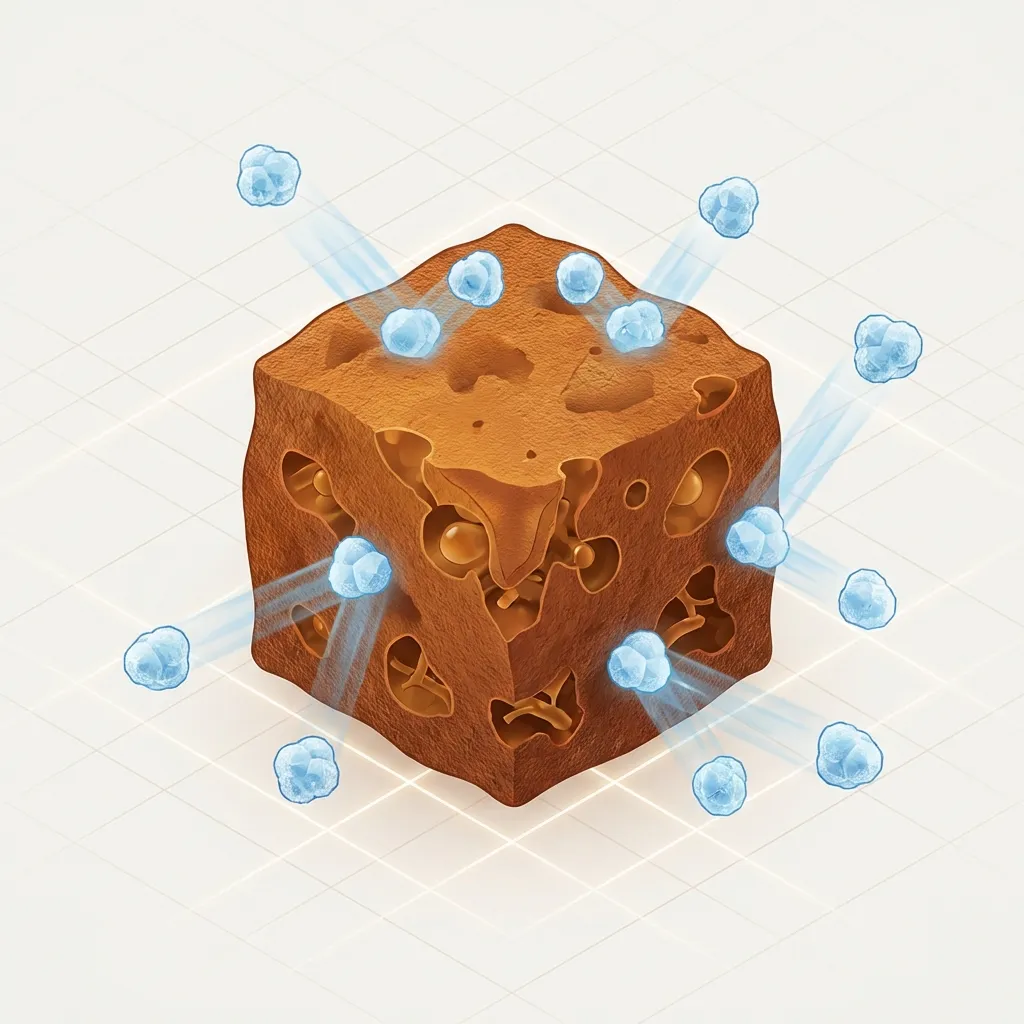
- Grind Finer: Finer grounds have more surface area. This makes it easier for the cooler water to dissolve the solids. It compensates for the lack of heat.
- Add More Coffee: Use a “stronger” ratio (like 1:14 instead of 1:16). More coffee grounds mean more available solids to dissolve.
- Use a Darker Roast: Dark roasts are more porous and easier to extract than light roasts, making them more forgiving in low-temp environments.
You can’t fight physics, but you can certainly outsmart it.