Why Fingers Prune in Water (It’s Not Swelling)
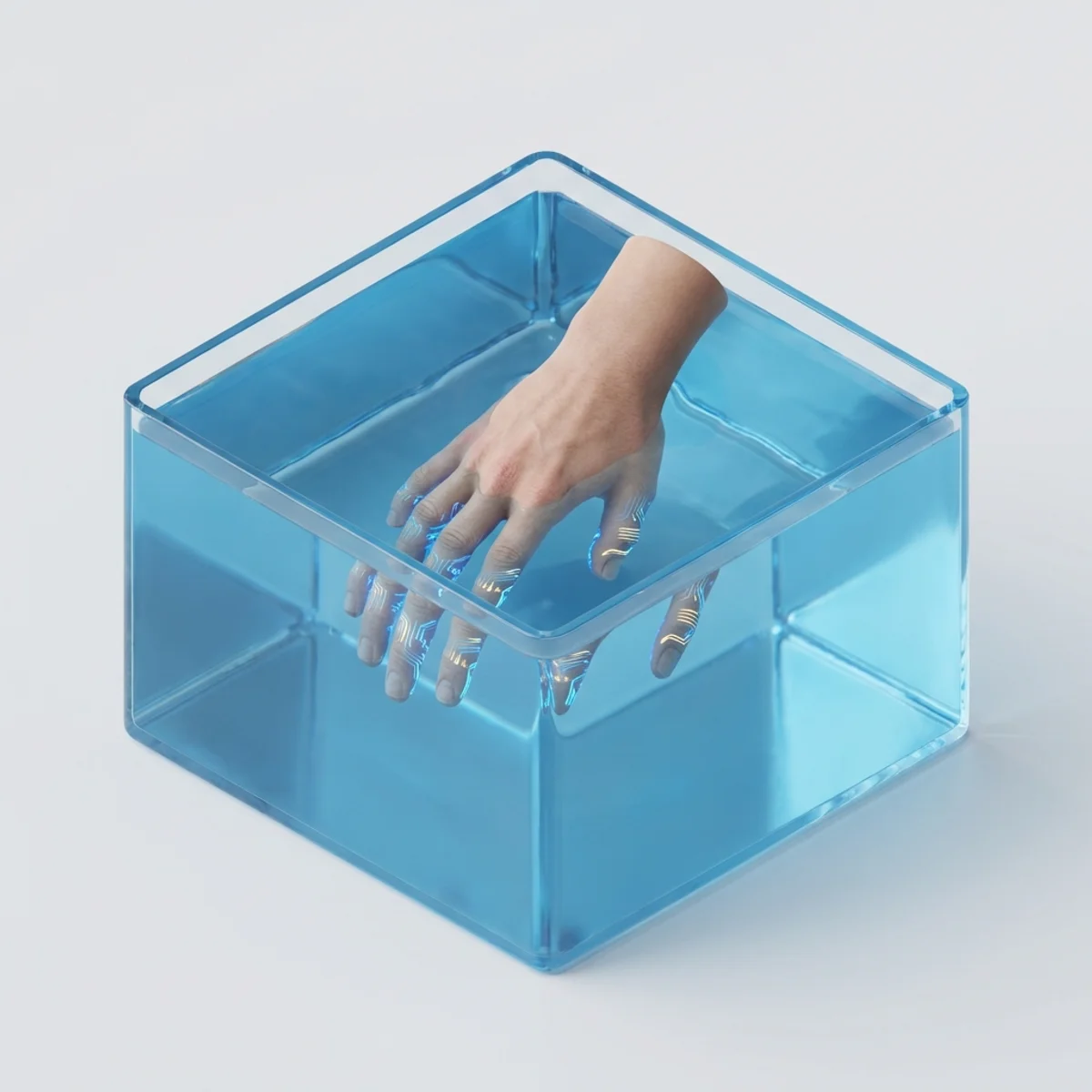
Stay in the bath too long, and your fingers transform. They shrivel, wrinkle, and look like raisins. For generations, the explanation was simple: Osmosis. Your skin acts like a sponge, absorbing water and swelling up until it creates folds.
But in the 1930s, surgeons noticed something strange that debunked this theory entirely. Pruning is not a passive accident of physics. It is a deliberate, active technology deployed by your nervous system.
It turns out, your body doesn’t get soggy. It upgrades.
The Osmosis Myth (It’s Not a Sponge)
If pruning were just osmosis (water absorption), dead bodies and severed fingers would prune too. They do not.
The “sponge theory” assumes that because the water in the bath has less salt than the fluid in your cells, water rushes into your skin cells to balance the concentration. This swelling creates wrinkles.
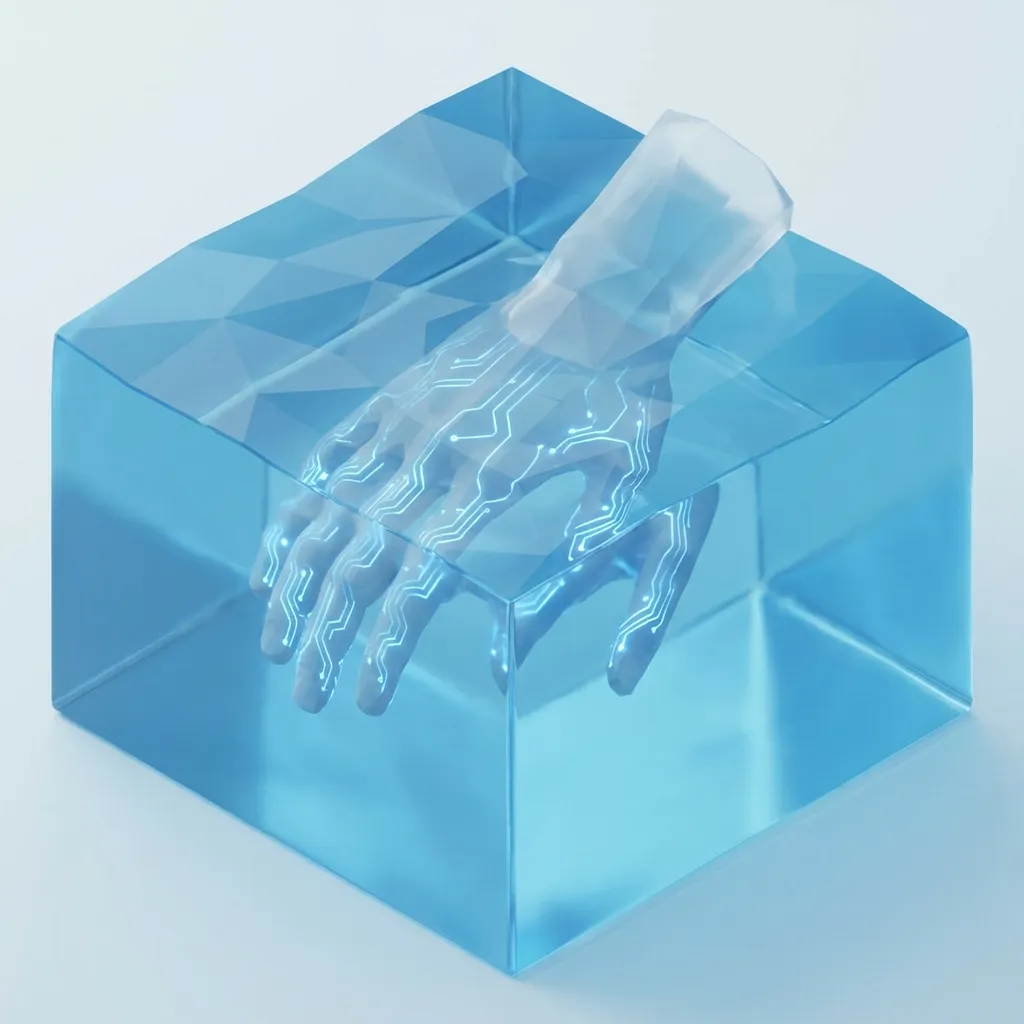
However, medical evidence shows that if the nerve to a finger is severed, that finger will not prune, no matter how long you soak it. If the effect were purely physical, like water soaking into cardboard, the nerve wouldn’t matter.
This proves that pruning is an autonomic nervous system response. It is a decision your body makes.
The Mechanism (Shrinking, Not Swelling)
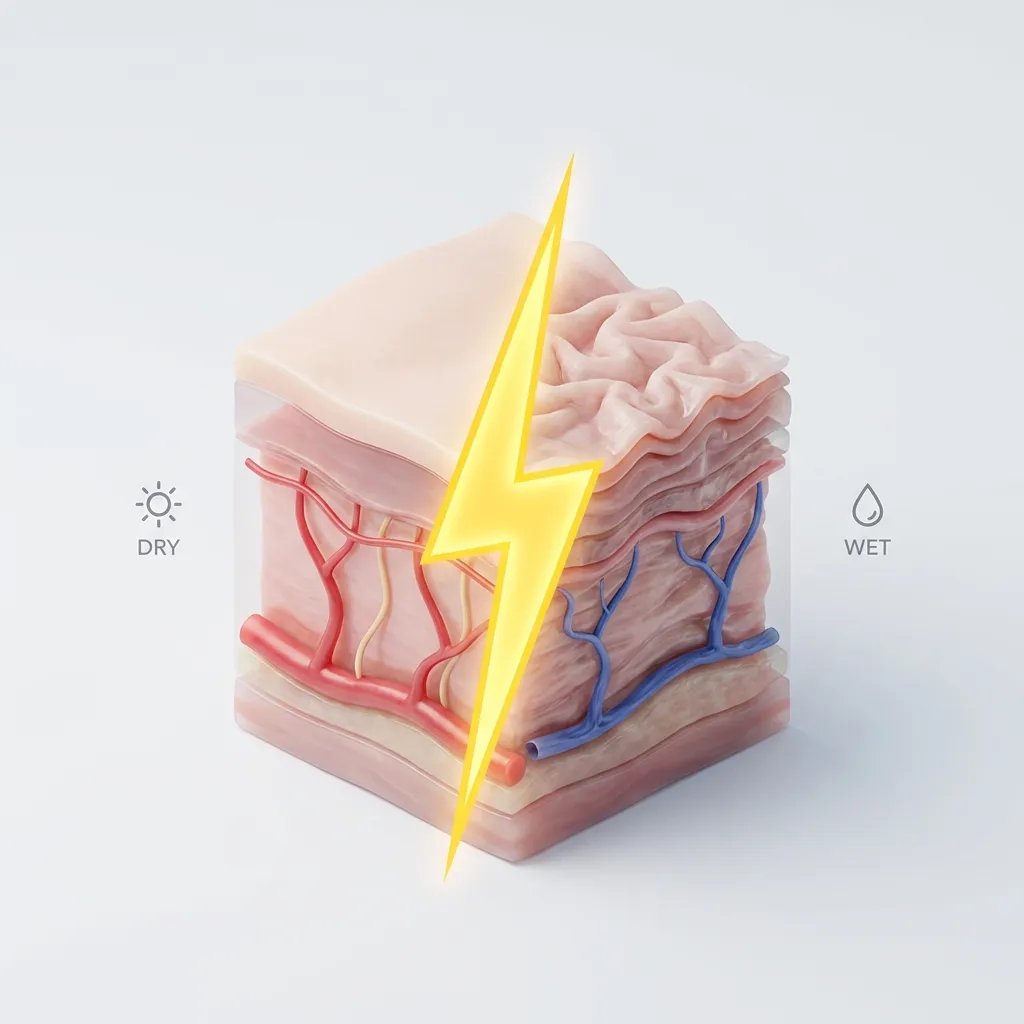
Pruning is caused by vasoconstriction. Your nerves signal the blood vessels in your fingertips to tighten, reducing volume and causing the skin to collapse into folds.
When you get wet, your nervous system detects the change. It sends a signal to the glomus bodies (tiny temperature regulators) in your fingers. These prompt the blood vessels to constrict (shrink).
As the vessels tighten, the volume of the fingertip decreases. The skin, now too loose for the shrunken pulp underneath, buckles and folds. So your fingers aren’t swelling up with water; they are actually deflating from the inside out.
Evolution’s Rain Treads
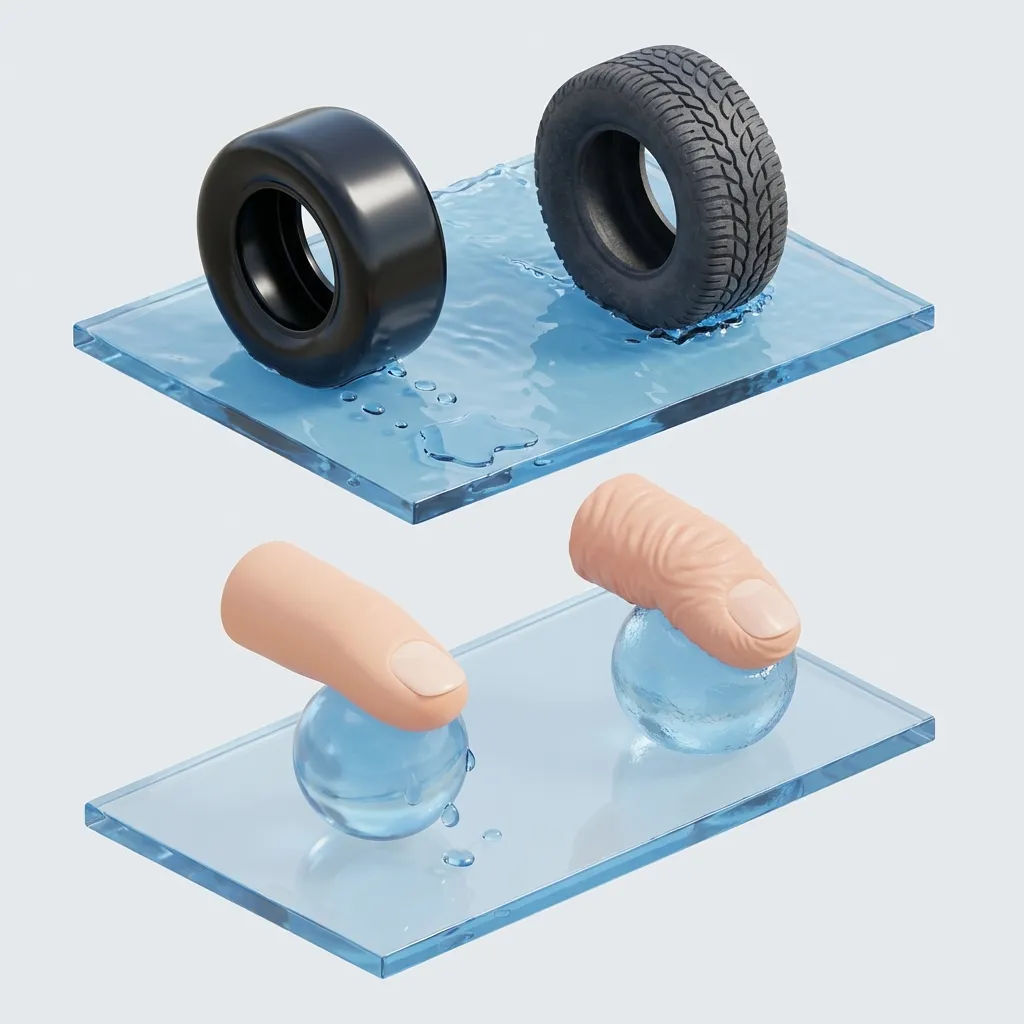
The specific pattern of wrinkles acts like rain treads on a car tire, channeling water away to allow for better grip on wet objects.
Why would we evolve this feature? In 2011, evolutionary neurobiologist Mark Changizi proposed the “Rain Tread Hypothesis.”
Smooth surfaces are slippery when wet because a layer of water gets trapped between your skin and the object (hydrodynamic lubrication). To grip a wet rock or a river tool, you need to drain that water away.
Studies confirm that the wrinkles on pruney fingers are distinct channels. They are optimized to funnel water out from under the fingertip when you press down. Tests have shown that people with pruney fingers are significantly faster at picking up wet marbles than people with smooth fingers.
Your body senses the water and essentially puts on its rain tires.